| ❖ |
Leverage vendor involvement to strengthen execution, reduce costs, and improve in-store impact. |
|
| ❖ |
Give vendors visibility to your marketing calendar, key seasons, and promotions. |
|
| ❖ |
See that all internal stakeholders (store operations, marketing, etc.) are included in planning. |
|
| ❖ |
Set clear material and format standards to match your store’s brand guidelines and durability requirements. |
|
| ❖ |
Keep displays current and compliant with brand or promotional timelines. |
|
| ❖ |
Confirm accurate manufacturing specifications and details per store location/s. |
|
Maintain a cohesive visual identity for brand strength
| ❖ |
Stick to a consistent color palette that reinforces your brand. |
|
| ❖ |
Use a unified typography system to avoid a disjointed look. |
|
| ❖ |
Apply consistent iconography for recognition of services and departments. |
|
Make navigation effortless
| ❖ |
Use large, high-contrast aisle markers to reduce customer confusion. |
|
| ❖ |
Keep category labels simple so shoppers move confidently through the store. |
|
| ❖ |
Add directional cues at eye level and overhead to improve traffic flow. |
|
Improve durability and flexibility by using the right mounting solution
| ❖ |
Rail and track systems — fast swaps for high-turnover areas; ideal for seasonal resets. |
|
| ❖ |
Magnetic mounting — tool-free updates for metal shelving, coolers, and endcaps. |
|
| ❖ |
Adhesive-backed graphics — removable or repositionable options that protect surfaces. |
|
| ❖ |
Snap frames and poster holders — clean, professional, and easy to update. |
|
| ❖ |
Ceiling-suspended hardware — cables and clips keep overhead signs visible from a distance. |
|
| ❖ |
Shelf-edge mounting — data strips and clip-ons keep pricing and promos aligned. |
|
| ❖ |
Floor graphic lamination — slip-resistant, durable materials for high-traffic zones. |
|
| ❖ |
Standoff hardware — adds dimension and a premium feel in specialty areas. |
|
| ❖ |
Velcro/hook and loop — ideal for temporary or rotating displays. |
|
| ❖ |
Window mounting — suction cups, clings, or frames, depending on sunlight and update frequency. |
|
Graphic change-out schedules for consistency and operational efficiency
| ❖ |
Make and execute on timelines that keep store/s current and brand consistent. |
|
| ❖ |
Monthly promo reviews — ensure all promotional signage matches current offers. |
|
| ❖ |
Seasonal overhauls — align major resets with key retail seasons for maximum impact. |
|
| ❖ |
Weekly walkthroughs — inspect for damage, fading, peeling, or misalignment, fix issues before customers notice. |
|
| ❖ |
Annual brand audit — review all graphics for alignment with updated brand standards. |
|
Keep things clean and durable to lower maintenance costs
| ❖ |
Choose materials that resist fading, moisture, and frequent cleaning. |
|
| ❖ |
Ensure graphics are easy to replace for seasonal resets. |
|
| ❖ |
Determine if displays are to be kept or disposed of and impact on material selections. |
|
| ❖ |
Use white space to create a more premium, less cluttered environment. |
|
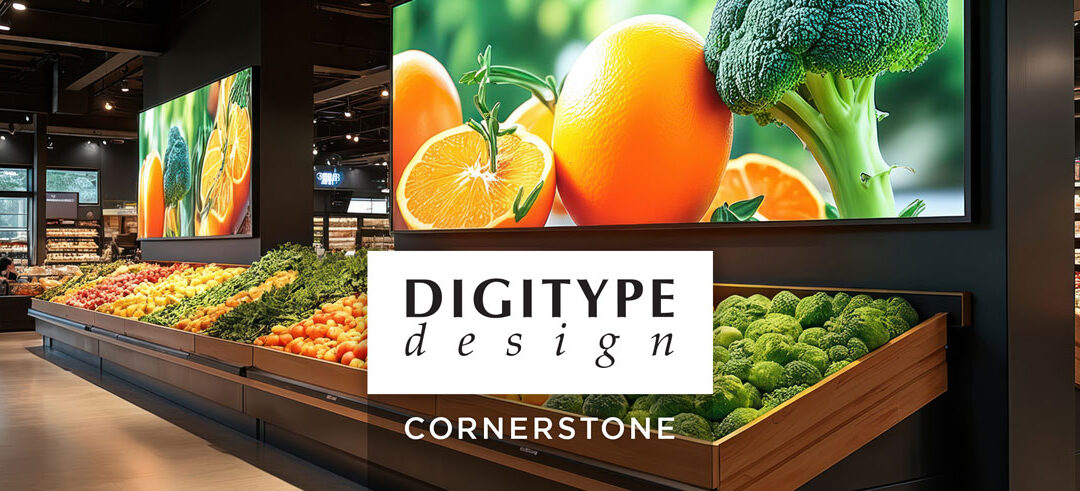
Effective grocery store interior graphics guide shoppers, communicate value, and strengthen your brand with every step. A clear visual strategy increases sales and creates a comfortable shopping experience. By focusing on clarity, consistency, durability, vendor collaboration, and disciplined change-out schedules, you can turn your store’s visuals into a powerful driver of customer satisfaction and long-term growth.
|